Resurrecting a Multi-Brand Design System to Unlock 1,800+ Hours of Efficiency
The Challenge:
Following a significant corporate restructure, the Design Systems team was made redundant, leaving behind a “locked” system. There was minimal documentation and no one left who understood the complex technical architecture of the Figma-to-Code pipeline.
The Strategy:
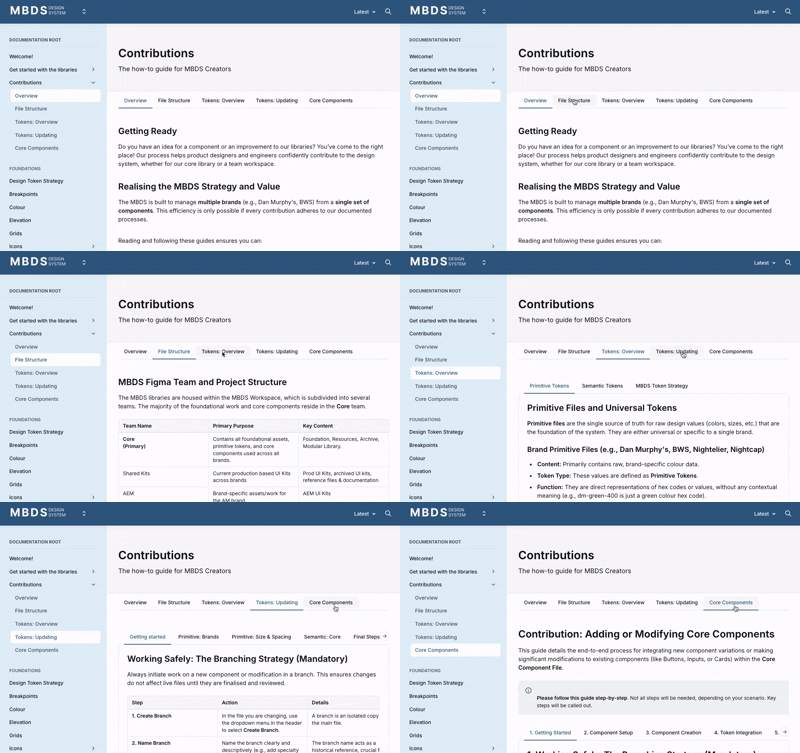
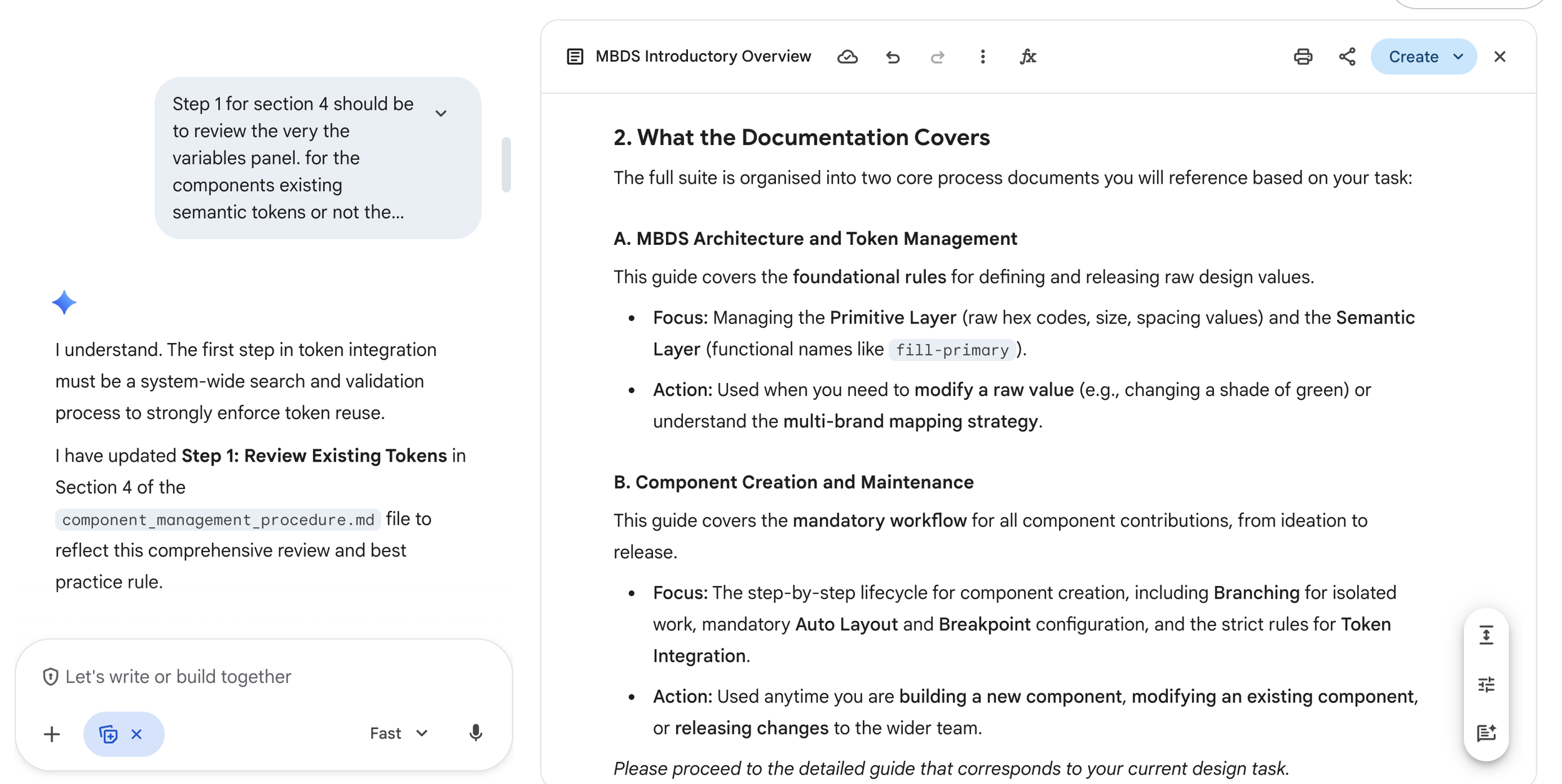
My chapter lead and I developed a business case and negotiated a 6-week window away from my squad to act as a one-person DesignOps team. I self-taught the technical skills and then reverse-engineered the Figma token system architecture and Supernova integration. I then utilised an AI-accelerated documentation workflow to build a comprehensive "Operations Manual" for the system.
The Impact:
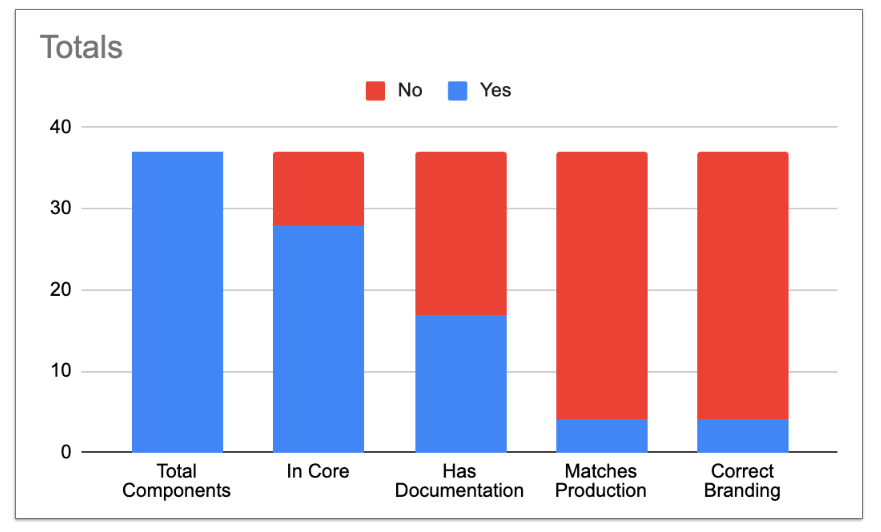
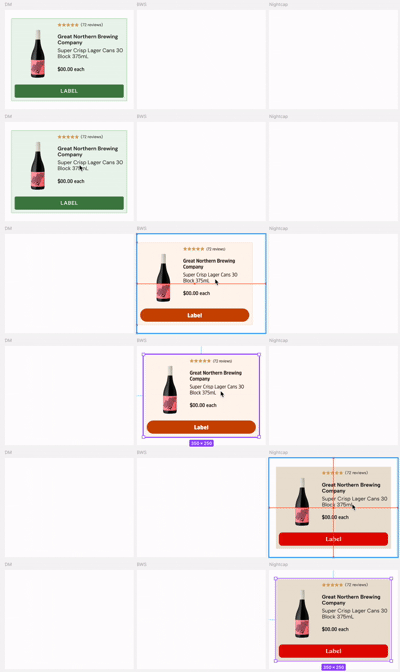
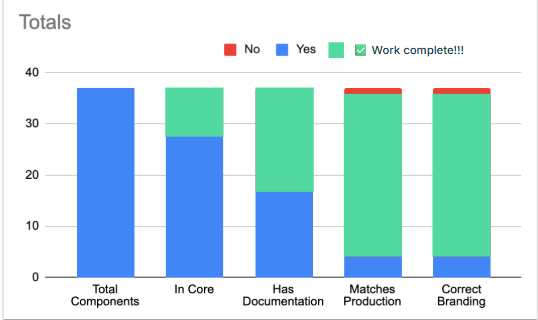
I delivered the project 3 weeks early. I was able to use the remaining time to audit and uplift all existing components to 97% component-to-production parity. I transformed a "black box" into a governed, scalable asset that saved the organization 1,833 hours of design debt (approx. 46 working weeks) within the first month.
Tools: Gemini, Figma, Figma Make, Supernova
The Process
I identified that this wasn't a "design" problem—it was an operational risk. The priority was to safeguard the investment the business had put into the design system, and ensure the IP and management methods remained accessible outside of individuals.
Technical Deep Dive & Self-Education
I put myself through an intensive bootcamp to upskill in:
Advanced Figma Systems: Understanding the Figma functionality and features available to enable design systems, as well as industry best practice.
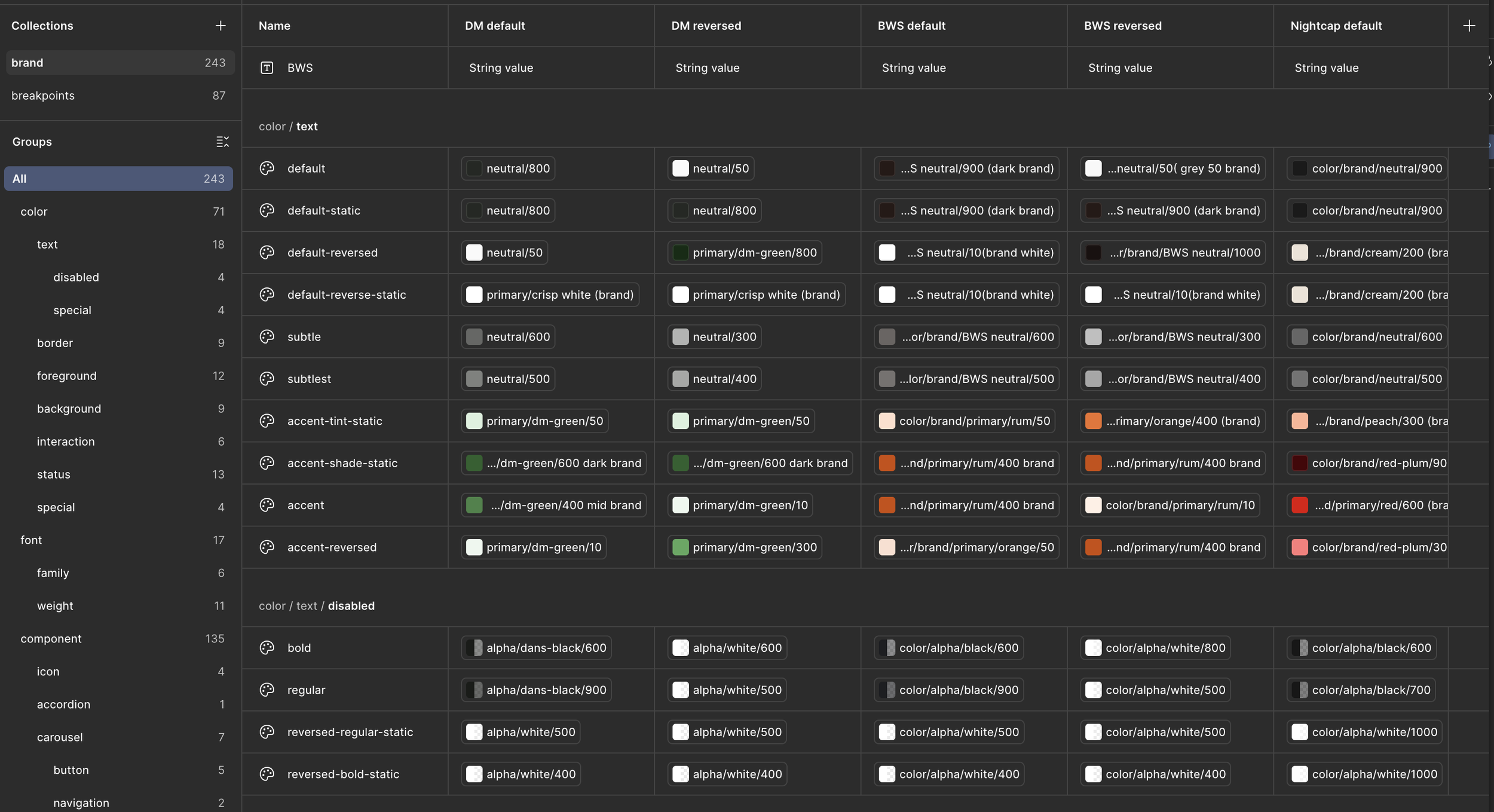
Multi-Brand Token Architecture: Understanding how tokens flowed across different brand themes, breakpoints and individual components to then integrate with Supernova.
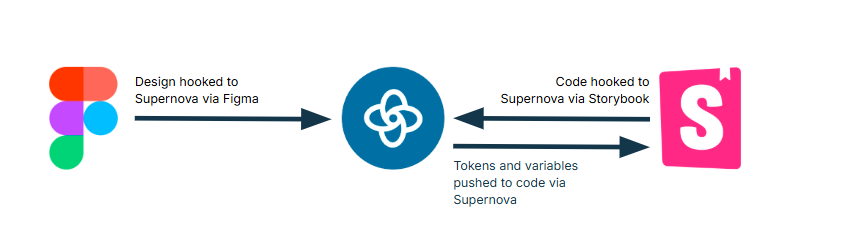
Supernova.io: Learning how the previous team had structured the documentation platform to bridge Figma and Storybook.
The AI Accelerator
I used AI as a "Technical Writer" to help me codify complex workflows into readable guides. This allowed me to deliver a full operations manual in 3 weeks instead of 6.
Architecture Mapping: I fed AI the technical specs of our token architecture. I used it to generate clear, standardized explanations of how these tokens functioned across different brands and breakpoints so that any designer could understand the logic.
Figma Workflow Standardization: I used AI to draft step-by-step guides for key Figma processes:
Branching & Merging: How to safely make updates at both a token and component level.
Publishing & Consumption: How to push updates without disrupting other squads, and the dependancies within the system.
Governance Protocols: It wasn't enough to just document the "how"; I had to establish the "who" and the "when”. This included charting feedback loops with SMEs, and when to involve key decision makers from across the business. The goal was ensuring that every addition to the system was vetted for consistency and production-parity before being merged.
Business Impact
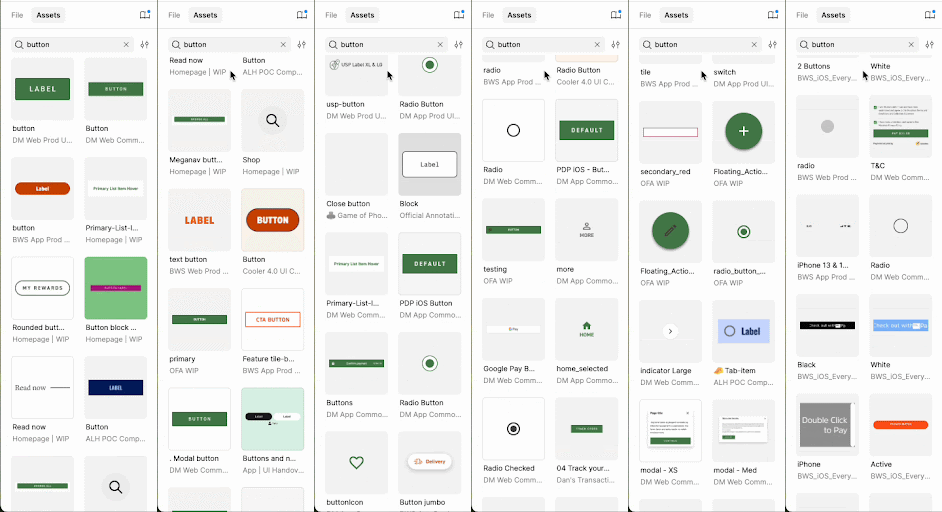
1833 hours saved in 2 months
The time saved by eliminating repetitive QA and design approval cycles, and having useable design system components.
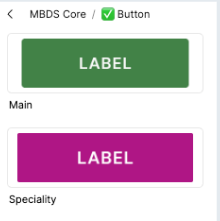
Don’t spend 10 minutes working out which of the 180 button components to use. Insert the one from the design system, like the 11,000 times the other designers did in 2 months, saving 1833 hours or 46 working weeks.
4 weeks effort down to 10 minutes
The time saved to deploy updates, resulting from being able to utilise the design system and automated workflows.
18,000 instances of an accent text colour? Anyone can follow the documentation to update the token and see the change in production in 10 minutes.
Better partnerships = better products
Publishing the design system helped re-establish our partnerships across the business, including Engineering, Product, Ecom and Marketing.
It enabled us to come together and standardise a single, unified and consistent approach.
The AI Velocity Engine
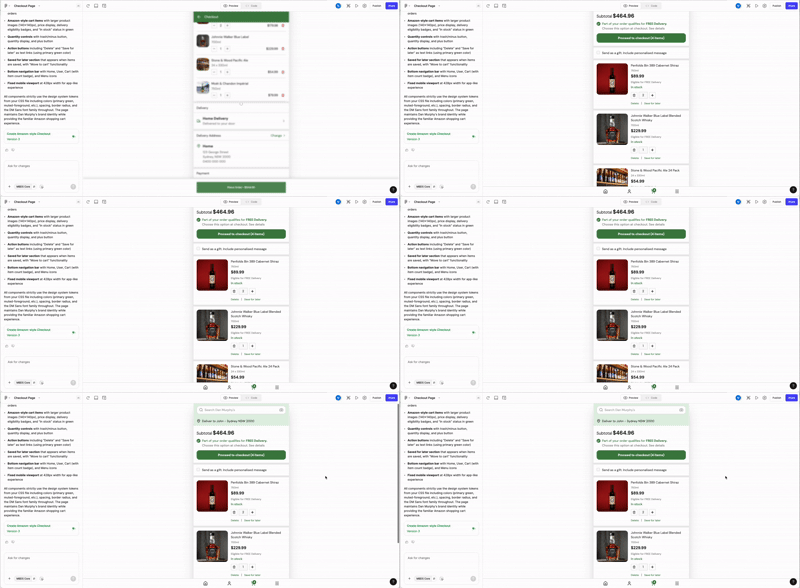
Having a functional design system allows us to sync it with AI engines such as Figma Make, and rapidly generate working prototypes that are aligned with our current products.
We can move faster, test ideas more quickly and focus on solving the right problem, rather than instructing on UI.
to
Technical Skills
Figma
Figma Make
GenAI (Gemini)
Supernova
Design Skills
Design operations & strategic planning
Advanced technical Figma and design systems execution
AI-accelerated documentation & delivery
Systems governance & maintenance processes
Product, Ecom & Engineering Collaboration
Strategic Presentation & Commercial ROI